
English| EUR
Suggested for you
More currencies
Choose a language
Ilha Grande sits 150 kilometers southwest of Rio de Janeiro with no bridge, no airport, and no road access. Every visitor arrives by boat, but the route you choose determines whether the journey takes two hours or six. This guide maps the ferry terminals, bus connections, and transfer windows that bridge the mainland and the island's car-free villages.
Quick answer
To reach Ilha Grande from Rio de Janeiro, travelers combine overland transport to a mainland ferry terminal with a boat crossing. The fastest route pairs a bus or private transfer to Conceição de Jacareí (2.5 hours) with a 15-minute ferry to Abraão village. The budget alternative routes through Angra dos Reis or Mangaratiba, adding ferry time but reducing cost. Ferry schedules cluster between 08:00 and 16:00, with the last departures cutting off by late afternoon.
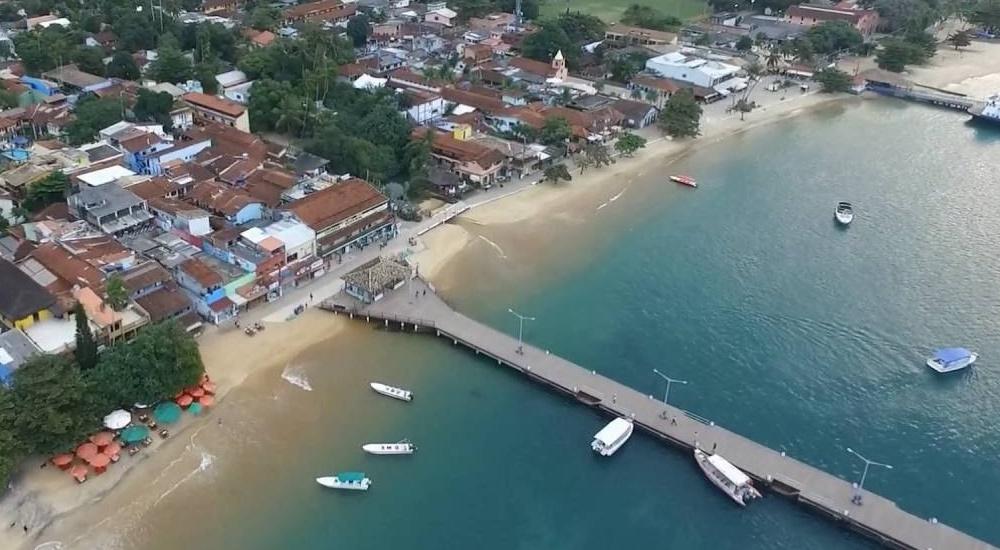
No causeway spans the Baía da Ilha Grande. The Atlantic island's 193 square kilometers remain isolated by design—state environmental protection ended road proposals in the 1990s, leaving boat access as the only option. That single constraint shapes every transfer itinerary from Rio, turning a straight-line distance of 120 kilometers into a choreographed sequence of buses, vans, and ferries. Three mainland terminals serve Ilha Grande, each anchoring a different route profile. Conceição de Jacareí, a tiny port village south of Mangaratiba, offers the shortest water crossing—just 15 minutes to Abraão, the island's largest settlement. Angra dos Reis, a regional hub 30 kilometers west, runs hourly ferries on a 90-minute route that stops at multiple island piers. Mangaratiba itself operates a mid-length service, balancing frequency and crossing time. Your choice hinges on departure flexibility, baggage volume, and tolerance for multi-leg coordination. Bus connections from Rio's Novo Rio terminal reach Angra in three hours, Mangaratiba in two. Private shuttles shave 20 to 30 minutes by skipping intermediate stops and syncing pickup times with ferry departures. Shared van services cluster at Conceição de Jacareí, where operators bundle the overland leg with pre-booked boat seats—a logistics package that eliminates terminal guesswork but locks travelers into fixed schedules. Ferry operators post daily timetables that shift with season and sea state. High summer (December through February) adds extra departures to handle beach-bound volume; autumn and spring revert to leaner schedules. Tickets for the Conceição route often sell out by late morning on weekends and holidays, while Angra's municipal ferries maintain walk-up availability. The island enforces no entry fee, but conservation funding proposals surface periodically in state budget discussions. Daylight governs the arrival window. Island piers lack floodlighting, and boat pilots avoid post-sunset navigation through the bay's scattered islets. The informal cutoff sits around 17:00 for the last practical crossing, though scheduled departures end earlier. Travelers aiming for como ir de rio a ilha grande should target morning or early-afternoon mainland departures, allowing buffer time for Rio traffic and ferry queues at the embarkation point.
“No causeway spans the Baía da Ilha Grande—state environmental protection ended road proposals in the 1990s, leaving boat access as the only option.”
Reaching Ilha Grande from Rio de Janeiro requires a two-part journey: land transit to the coastal towns of Angra dos Reis or Mangaratiba, followed by a boat crossing to the island. Travelers typically combine private transfers or public buses with ferry or fast boat services to complete the trip.
BR-101 highway to Angra dos Reis or Mangaratiba
Private transfer via BR-101 to Angra dos Reis
Flexboat or ferry from Angra dos Reis/Mangaratiba to Vila do Abraão
Plan your land travel to ensure boat connections within the 08:00–16:00 arrival window. This approach avoids late-day service gaps and ensures you reach the island during daylight hours.
The Rio airport to Ilha Grande journey combines ground and sea transport, typically taking 3.5 to 5 hours depending on your ferry departure time. Follow this sequence to reach the island's main ports without missing connections.
Most travelers pre-book a shuttle or private transfer to either Angra dos Reis or Mangaratiba ferry terminals; confirm your pickup point at arrivals and verify the terminal destination with your driver to avoid routing errors.
Reach Angra dos Reis (Cais de Santa Luzia) or Mangaratiba port at least 30 minutes before your scheduled boat departure; ticket counters close 10 minutes prior, and boats will not wait for late passengers.
If you did not pre-book, buy tickets at the terminal counter for boats to Abraão village or other Ilha Grande ports; bring cash as not all vendors accept cards, and state your exact destination since multiple routes exist.
Verify the boat's destination sign matches your accommodation's port (Abraão is most common); ferries and speedboats serve different stops, and boarding the wrong vessel means a long detour on the island.
Once at your island port, most pousadas are within walking distance or require a short water taxi; confirm your accommodation's exact location beforehand, as Ilha Grande has no roads and all transit is by foot or boat.
The best arrival window for transfers from Rio to Ilha Grande is 08:00–16:00. Arriving within this timeframe is essential to ensure boat connections and daylight navigation to the island.
Hot and humid, 25°C to 35°C. Expect heavy rain showers and crowds.
Pleasant, 22°C to 28°C. Lower rainfall and more stable sea conditions.
Cooler, 18°C to 24°C. Days are drier, though sea breezes may increase.
Warm, 20°C to 27°C. Favorable weather patterns before the peak heat arrives.
Verdict: The optimal time to travel is between April and May or September and October, arriving at the transfer point between 08:00 and 16:00.
Access to Ilha Grande is available throughout the week, supporting flexible planning for your transfer from Rio de Janeiro.
Entry to Ilha Grande is public and does not require an admission ticket. There are no conservation or entrance fees enforced for visitors.
Verdict: The entry cost is 0 BRL for every visitor, as there are no island-wide admission or conservation fees.
Everything you need to know about como ir de rio a ilha grande
To understand como ir de rio a ilha grande, travelers typically coordinate ground transport to Angra dos Reis followed by a boat crossing. Planning this connection ahead ensures a seamless transition between the city and the coast.
The best arrival window for your journey is 08:00–16:00. Arriving within this timeframe helps you avoid late-night ferry cutoffs and ensures your boat reaches the island during daylight hours.
There is currently no island-wide conservation fee enforced, so the entrance fee is 0 BRL. Visitors should be aware that while the entry is free, transport costs for your preferred como ir de rio a ilha grande route will vary.
The total travel time depends on traffic and boat schedules, but it generally takes several hours to complete the trip from Rio. You should consider this duration when planning your como ir de rio a ilha grande itinerary to ensure you reach your accommodation comfortably.
Finding a transfer is straightforward when booked in advance, as many services operate directly from the airport to the pier. Most visitors opt for a professional service to simplify the complex logistics of como ir de rio a ilha grande.
When looking into a Rio to Ilha Grande transfer, verify that your service includes both the land and sea portions of the trip. Always confirm your schedule aligns with the recommended daylight arrival hours to guarantee a smooth experience.
While the island is accessible daily, it is important to align your travel with the optimal daylight window. Services run throughout the week, but late arrivals can be challenging due to limited maritime transport at night.
Most visitors travel by road to the port of Angra dos Reis and then take a boat to the island. This combination of shuttle and ferry is the standard method for reaching your destination safely.