Rio De Janeiro To Ilha Grande Transfer
Activity Guide

Ilha Grande Activities

Ilha Grande operates without roads or cars—every adventure starts on foot, by boat, or from the trail networks radiating from Vila do Abraão. The island opens 24 hours daily with free access, though your activity options depend entirely on daylight and tide schedules. Understanding what's reachable from your transfer landing point shapes your first day and the rest of your stay.

9 min read Updated 2026-08-31 Fact-checked
Ilha Grande Activities

Quick answer

Ilha Grande activities span hiking the T10 trail to Lopes Mendes, snorkeling at Lagoa Azul, diving around shipwrecks near Angra dos Reis, and exploring the historic center of Vila do Abraão. The island charges no entrance fee and remains accessible around the clock, but arriving between 08:00 and 17:00 ensures daylight for orientation and boat connections to outlying beaches. Most trails require 2-6 hours round trip; water-based excursions depart mornings and return by late afternoon.

More than 100 beaches encircle Ilha Grande, but only a handful lie within walking distance of Vila do Abraão—the rest require boat charters or multi-hour treks through Atlantic rainforest. The T10 trail to Lopes Mendes remains the island's most trafficked route, a 3-hour one-way hike over exposed ridge lines and through dense canopy before depositing you on a 3-kilometer sweep of white sand. Aventureiro Beach sits on the western shore, reachable by a 7-hour hike or a fishing boat willing to navigate the exposed coastline. Snorkeling and diving concentrate around Lagoa Azul and Lagoa Verde, shallow bays where boat tours anchor for 40-minute swim stops. Visibility peaks during the Southern Hemisphere winter—May through September—when plankton counts drop and water clarity extends beyond 15 meters. Certified divers book trips to the Jorge Grego wreck and the Pinguino cave system through operators based in Vila do Abraão; both sites require boat transport and fall outside free-diving range. Vila do Abraão itself functions as the island's commercial and logistical hub. The Lazareto ruins—a 19th-century quarantine hospital—sit 20 minutes north along the coastal trail, open for self-guided exploration with interpretive panels in Portuguese. The Black Beach (Praia Preta) trail branches east from the village, a 40-minute walk to a narrow cove popular with local families. No motorized vehicles operate on Ilha Grande; wheelbarrows and foot traffic move goods between the pier and guesthouses. Timing activities around your transfer arrival matters. Morning landings at Vila do Abraão give you daylight to secure accommodations, rent snorkel gear, and reach nearby beaches before the 17:00 return boats depart. Afternoon arrivals compress your first day—most visitors reserve those hours for village orientation and meal planning rather than attempting trails. Angra dos Reis maintains the primary ferry and speedboat terminal on the mainland; travel time ranges from 90 minutes by ferry to 35 minutes by express boat, with the last departures leaving the island by 17:30 on most routes.

“More than 100 beaches encircle Ilha Grande, but only a handful lie within walking distance of Vila do Abraão—the rest require boat charters or multi-hour treks through Atlantic rainforest.”
Directions

Rio de Janeiro to Ilha Grande Activities and Transit Routes

Ilha Grande is located in the municipality of Angra dos Reis, Rio de Janeiro, Brazil. Reaching the island requires a combination of ground transport from Rio de Janeiro to the mainland ports of Angra dos Reis or Conceição de Jacareí, followed by a boat transfer.

Bus 3–4 hours

BR-101 highway to Angra dos Reis or Conceição de Jacareí

Car 2.5–3 hours

BR-101 (Rio-Santos) to mainland ports

Boat 30–90 min

Transfer from mainland ports to Vila do Abraão

Plan your transit to align with the best arrival window of 08:00–17:00. Daylight hours ensure safer and more frequent boat transfers from mainland ports.

Timing

Best Time for Ilha Grande Activities and Transfers

The best arrival window for Ilha Grande is 08:00–17:00. These daylight hours are essential to ensure safer and more frequent boat transfers from mainland ports.

December–February

High seasonal volume

Hot and humid, 26°C–32°C

Expect frequent afternoon rain showers and peak tourist numbers.

March–May

Moderate seasonal volume

Warm and pleasant, 22°C–28°C

Lower humidity and steady weather make this period ideal for hiking and water activities.

June–August

Low seasonal volume

Cool and dry, 18°C–25°C

Days are clear but water temperatures are cooler, ideal for travelers who prefer avoiding crowds.

September–November

Moderate seasonal volume

Warm and clear, 20°C–27°C

Increasing temperatures combine with fewer crowds before the summer season begins.

Verdict: The best arrival time is 08:00–17:00, specifically during the months of April or October to balance favorable weather and manageable crowds.

Itinerary

Planning Your Ilha Grande Activities After Arrival

This flow suits first-time visitors arriving by air and heading straight to Vila do Abraão. The journey from airport to island takes 4–5 hours, depending on your transfer method and boat schedule.

Morning

Airport to Angra or Mangaratiba

Your driver collects you from Galeão or Santos Dumont and drives 2–3 hours to the mainland port. Confirm your boat departure time in advance.

Midday

Board the ferry or speedboat

Ferries take 90 minutes and run less frequently; speedboats cover the crossing in 30–40 minutes. Keep your luggage light and waterproof.

Afternoon

Arrive at Vila do Abraão pier

Disembark at the island's main village, where most pousadas and restaurants cluster. No cars operate here—paths and water taxis connect other beaches.

Late Afternoon

Settle in and explore the village

Walk the sandy streets, locate your accommodation, and grab a late lunch. The village has ATMs, small markets, and tour agencies for booking hikes or boat trips.

Evening

Plan your island days

Check weather forecasts and book popular activities like Lopes Mendes beach trips or the trek to Pico do Papagaio. Most tours depart early morning from the pier.

What to see

Key Ilha Grande Activities and Points of Interest

Ilha Grande features diverse ecological zones ranging from Atlantic Forest trails to protected coastal waters. Visitors typically focus on its interconnected network of beaches and historical ruins.

Lopes Mendes Beach

Lopes Mendes Beach

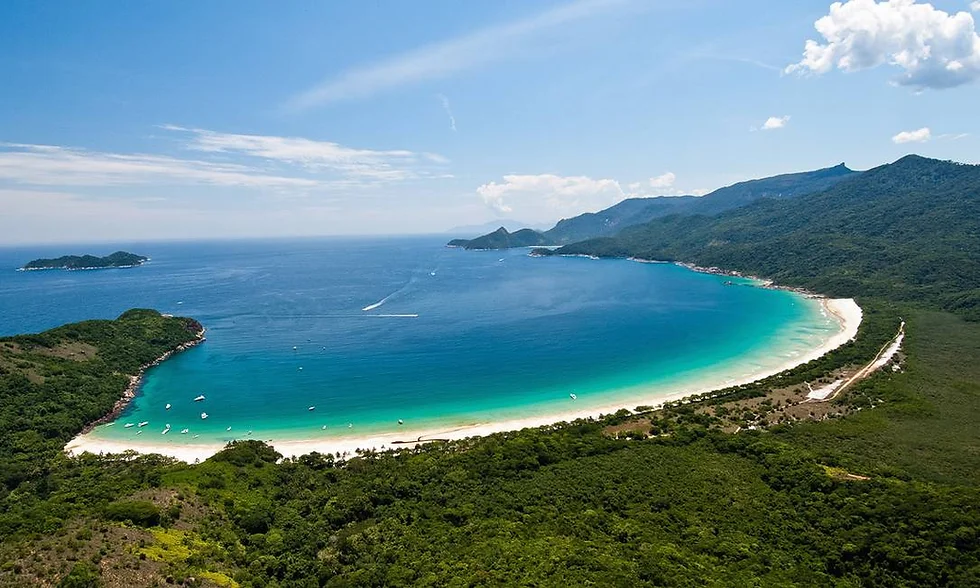
A long stretch of white sand accessible via a moderate hike through the forest or by boat from Vila do Abraão. It is known for its consistent surf and limited commercial development.

Visit before 10:00 to avoid the peak of midday boat arrivals.
Vila do Abraão

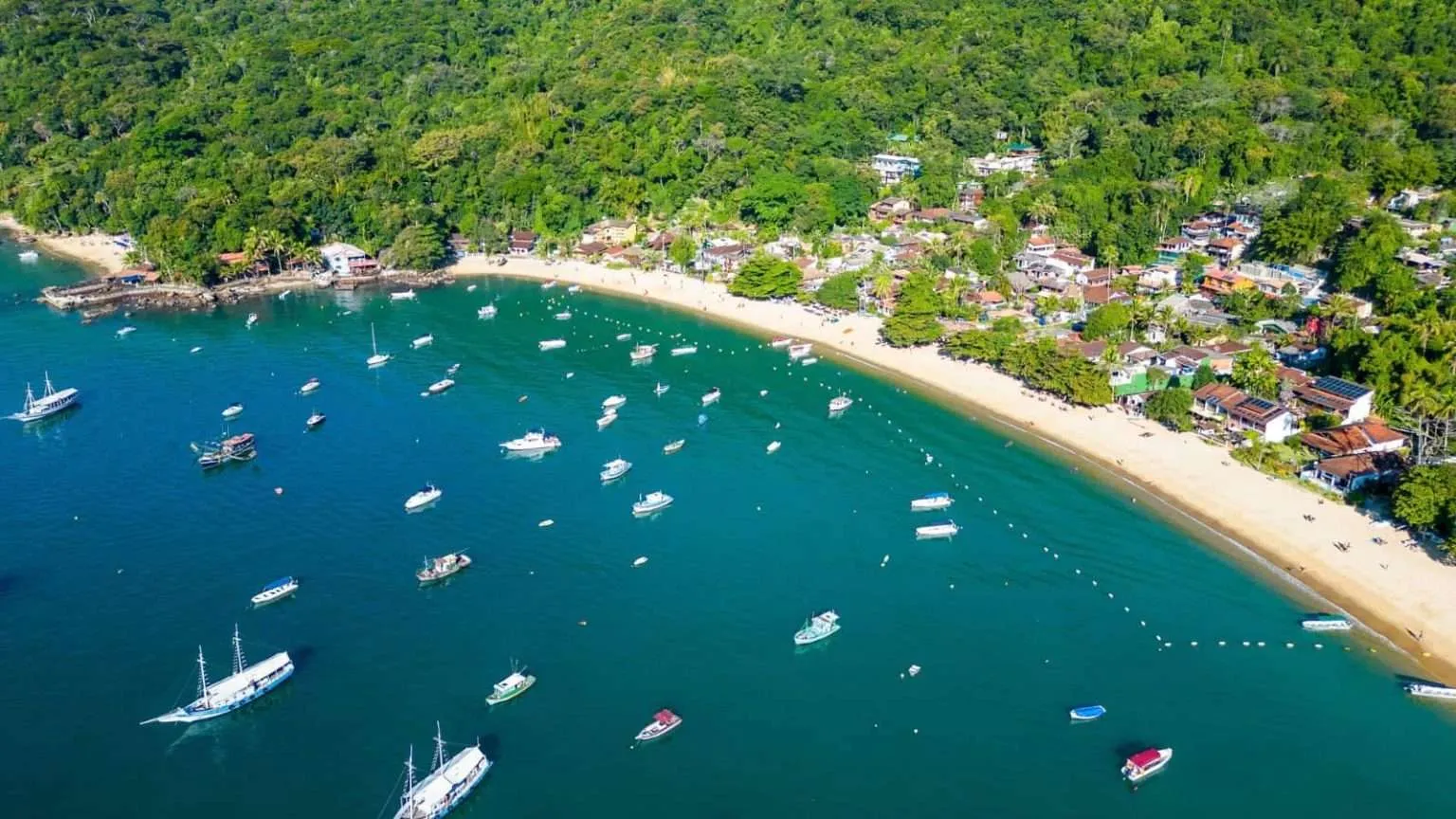
Vila do Abraão

The central village serving as the primary hub for services, dining, and logistics on the island. This area contains the majority of the island's historical buildings and pier access.

Explore the back alleys to find local cafes away from the pier.

Pico do Papagaio

Pico do Papagaio

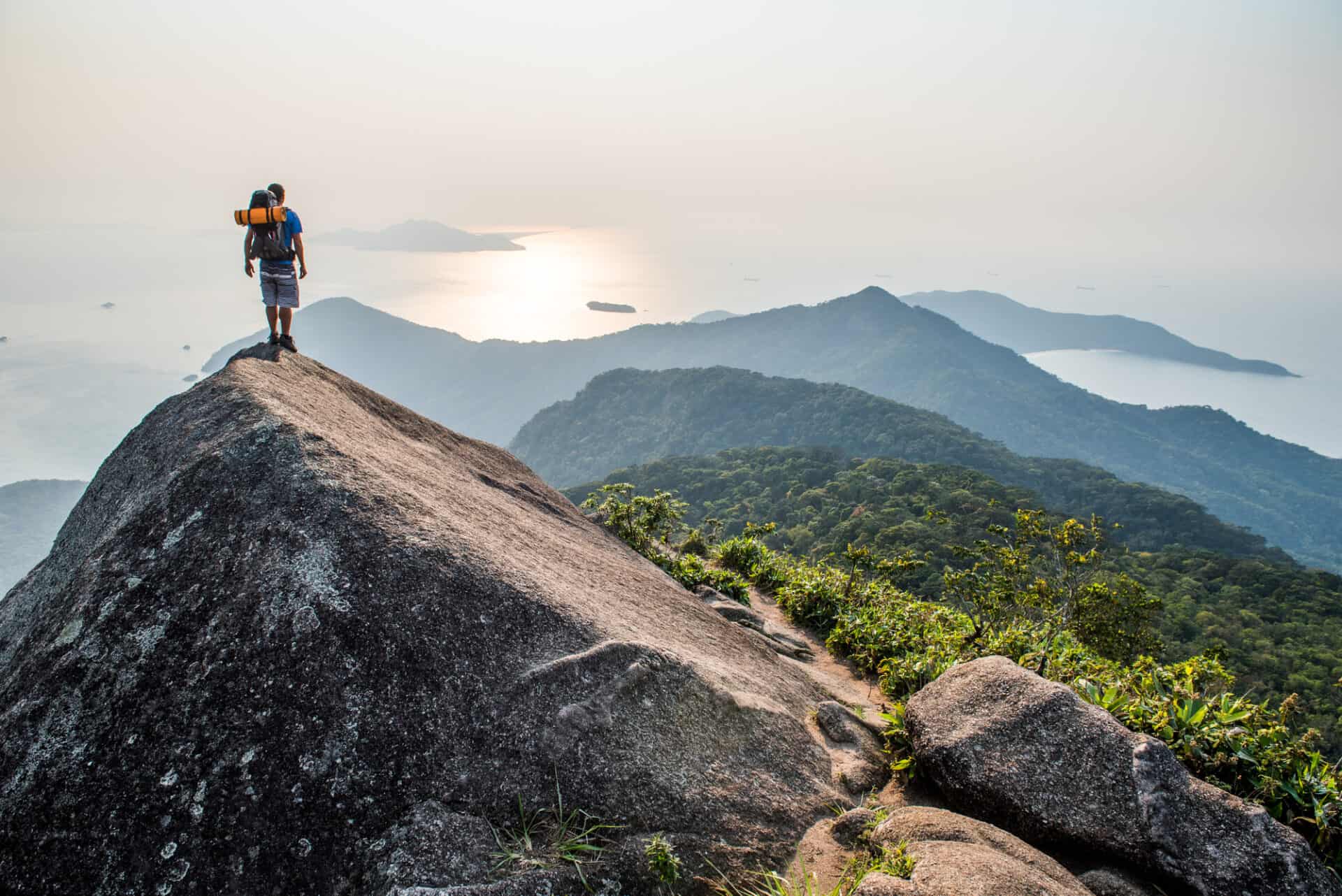
The highest peak on the island offering panoramic views of the archipelago and mainland coast. The hike is strenuous and often performed at night to reach the summit for sunrise.

Bring a headlamp for the pre-dawn forest ascent.

Aqueduto da Ilha Grande

Aqueduto da Ilha Grande

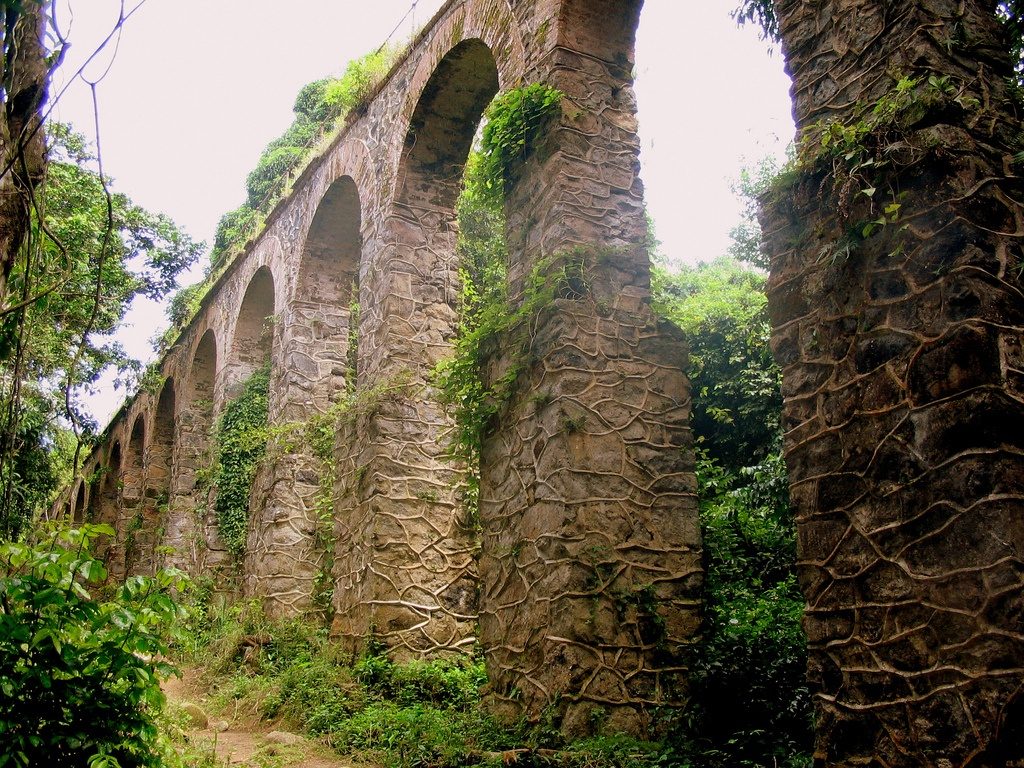
Remnants of a 19th-century stone aqueduct located near the village of Abraão. The structure is integrated into the surrounding vegetation and provides a point of interest along local trail T1.

Look for the structure while walking the trail toward Praia Preta.

Checklist

Ilha Grande Activities Preparation Checklist

Ilha Grande has no ATMs, limited cell coverage, and restricted vehicle access — prepare accordingly.

Prices

Ilha Grande Activities Admission and Fees

Visitors do not pay a general admission fee to enter Ilha Grande. Costs for activities on the island are determined by individual service providers rather than government entry charges.

General Admission No island entry fee for visitors.
0 BRL
Environmental Fee No specific environmental tax applies.
0 BRL
Island Access Public access remains free of charge.
0 BRL
Ilha Grande requires no admission fee for any visitors regardless of age or nationality.

Verdict: The entry cost is 0 BRL, and your total expenditure will depend entirely on the specific tours or activities you choose to book locally.

Book

Check availability

Frequently asked

Frequently Asked Questions About Ilha Grande Activities

Everything you need to know about ilha grande activities

How do I reach my ilha grande activities after landing?

To reach your destination, you typically take a transfer from the airport to a mainland port like Angra dos Reis, followed by a boat ride to the island. Planning this connection ensures a smooth transition to your scheduled ilha grande activities.

What is the best arrival window for island transfers?

The best arrival window is between 08:00 and 17:00, as daylight hours ensure safer and more frequent boat transfers from mainland ports. Arriving within this timeframe helps you reach your accommodation comfortably before nightfall.

Are there entrance fees for ilha grande activities?

There is a 0 BRL entrance fee, meaning there is no general island admission fee for visitors. This allows you to focus your budget entirely on your planned ilha grande activities and local experiences.

Can I book boat transport for my ilha grande activities in advance?

While this page provides logistical information, you can use our booking tools to secure your mainland-to-island connection. Reliable transport is essential for accessing popular ilha grande activities like boat tours and hiking trails.

What should I keep in mind regarding ilha grande activities and island logistics?

The island is a pedestrian-only destination, so pack light to manage your luggage easily upon arrival. Proper planning of your airport transfer allows you to maximize your time for various ilha grande activities once you settle in.

Are there specific hours for visiting the island?

The island is accessible 24 hours a day, with operating hours from 00:00 to 23:59 every day of the week. While the island is always open, transport services rely on the recommended daylight arrival window for safety.

Keep reading

More guides & pages